

The alert came after a 14‑day mission to Niger, Burkina Faso and Mali by UNICEF Deputy Executive Director Ted Chaiban, who described a region “rich in possibilities” but repeatedly battered by insecurity, climate shocks and socio‑economic pressures.
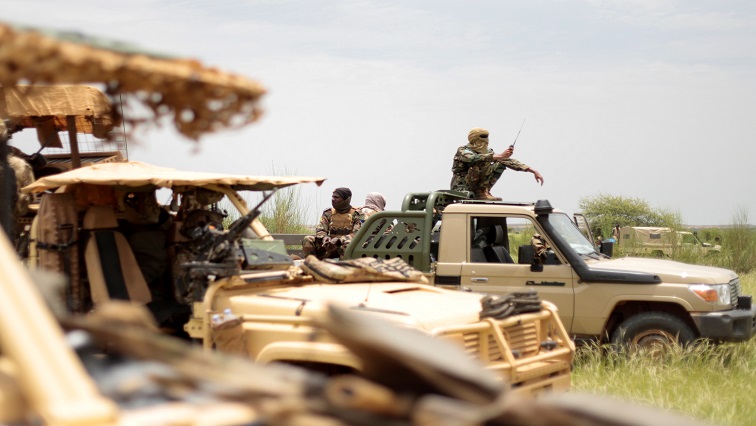
Recent violence in Mali has underlined the fragility facing children. A wave of coordinated attacks against government forces was reported over the weekend, drawing condemnation from the UN Secretary‑General and renewed calls for civilian protection and humanitarian access. UNICEF said the latest turmoil reinforces the risks children face, including loss of life.
Across the Central Sahel, violence and forced displacement have uprooted more than 3.6 million people, yet UNICEF reported signs of resilience at community level. In rural areas, markets are reopening and community support networks continue, even as families seek safety, dignity and economic stability.
Engagements with political leaders in Niger, Burkina Faso and Mali highlighted a shared commitment to place children at the centre of national policies, according to UNICEF. Progress was noted in several areas:
- In Niger, reforms to civil registration systems were reported in more than half of municipalities, with birth registration rising to 79% in 2025 from 62% in 2023.
- In Burkina Faso, allocations of about 25% of the national budget to education and nearly 12% to health were cited as significant efforts to expand social services.
- In Mali, national immunisation coverage reached 82% in 2024, moving closer to universal vaccine protection.
Despite these steps, UNICEF warned that children remain in acute danger. UN documentation recorded more than 1 500 grave violations against children, including killing, abduction and recruitment by armed groups. More than 8 400 schools were rendered inaccessible in 2025 alone, increasing exposure to illness, psychosocial distress and long‑term developmental harm.
UNICEF called for urgent international action to meet humanitarian needs, restore access to education and healthcare, and strengthen protection for children and families. Resilience, UNICEF warned, must not be mistaken for safety.
–UN/ChannelAfrica–


