

UNICEF said about 1.1 billion children are now facing at least three overlapping climate hazards, placing their health, education and survival at risk.
UNICEF Executive Director Catherine Russell said the scale of the crisis is already evident across regions.
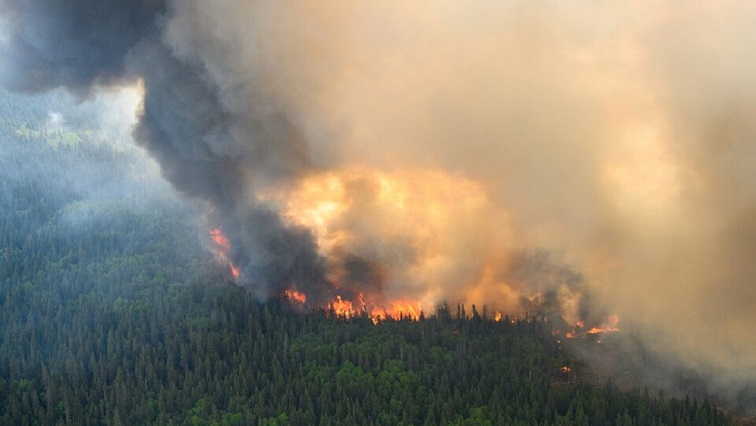
“The lives of children continue to be upended by the impact of heatwaves, wildfires, droughts and floods,” Russell said. Russell added that climate risks are becoming part of everyday life for many children.
“Half of the world’s children are now living with at least three overlapping climate threats shaping their daily lives,” Russell said.
The Children’s Climate Risk Report 2026 provides new data mapping how multiple climate hazards overlap and affect access to essential services. It found that nearly every child globally is exposed to at least one climate risk, with some facing as many as six simultaneous threats.
More than 296 million children are exposed to the most common combination of hazards, drought, extreme heat and heatwaves. A further 115 million children face a similar combination that includes drought, extreme heat and tropical storms.
The report also highlighted the growing impact of climate-related risks beyond extreme weather. Air pollution now affects nearly every child worldwide, while around one billion children are exposed to malaria, both of which are closely linked to climate change.
UNICEF warned that without urgent action to reduce greenhouse gas emissions, these threats will intensify, placing additional strain on public systems and deepening risks to children’s wellbeing.
The report identified the Sahel region in Africa as one of the hardest hit, where more than four million children are exposed to a combination of extreme heat, heatwaves and dust storms. Countries in South and Southeast Asia, including Bangladesh, Myanmar and Pakistan, were also highlighted for facing the highest intensity of overlapping hazards.
While lower-income regions face the most severe impacts, the report stressed that climate risks are global. In Italy, for example, more than six million children are exposed to prolonged heatwaves and drought conditions.
Russell said the findings should guide more targeted responses from governments and policymakers. “This analysis can help governments and decision makers plan better and invest more effectively in resilient services,” Russell said.
To address the risks, UNICEF called for three key actions: reducing emissions, strengthening climate adaptation measures and ensuring children are actively involved in decision-making processes.
The agency said investment in resilient health systems, education and infrastructure remains critical to protecting children from immediate threats while safeguarding their future.
“When we strengthen health and education systems and improve infrastructure with children in mind, we protect them from today’s climate threats and help secure their future,” Russell said.
–UN/ChannelAfrica–


