

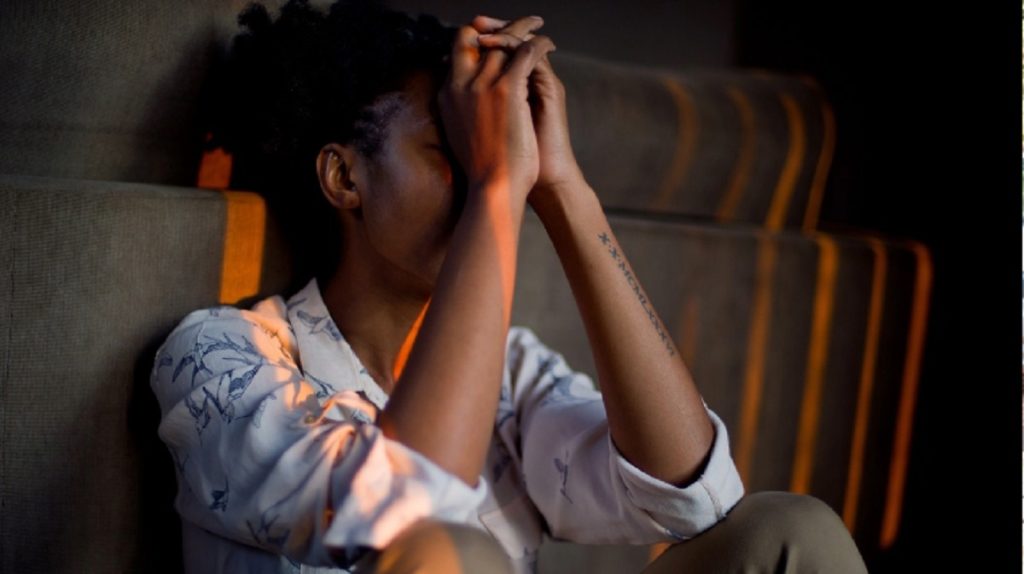
The agency warns that violence has become a routine part of daily life for millions of children across regions already grappling with deep inequality.
The report shows that children’s exposure to intimate partner violence is highest in Oceania, sub-Saharan Africa, and Central and Southern Asia, reflecting entrenched patterns of abuse faced by women.
UNICEF Executive Director Catherine Russell said the findings highlight the devastating impact of gender-based violence on households. “Today, millions of women and children are living in homes where violence is a part of regular life. Women’s safety and autonomy are paramount to children’s well-being,” she noted.
The data accompanies updated UN global estimates on violence against women, published by the World Health Organisation. Those figures reveal that more than one in 10 adolescent girls and women aged 15 and above have experienced physical or sexual violence from an intimate partner in the past 12 months.
Globally, one in three women faces physical and/or sexual violence during her lifetime, largely at the hands of partners. The UN warns that these violations are rooted in gender inequality and remain one of the most pervasive human rights abuses.
UNICEF’s regional breakdown identifies where women and children face the greatest risks. In Oceania, just over half of all children, around three million, live with a mother who has recently endured intimate partner violence. Sub-Saharan Africa follows with 32%, affecting 187 million children, while Central and Southern Asia accounts for the largest number globally, at 201 million children or 29%.
The long-term consequences are severe. Even when not directly harmed, children who witness violence often suffer deep emotional trauma, disrupted trust with caregivers, and lasting psychological effects that can extend into adulthood. They are also more likely to experience or perpetrate violence later in life.
UNICEF is urging governments to adopt integrated national strategies that address violence against both women and children. It is calling for increased support to women- and girl-led organisations, expanded survivor-centred services, greater investment in prevention programmes, and sustained efforts to challenge harmful social norms while amplifying the voices of survivors and young people.
–UN/ChannelAfrica–


