

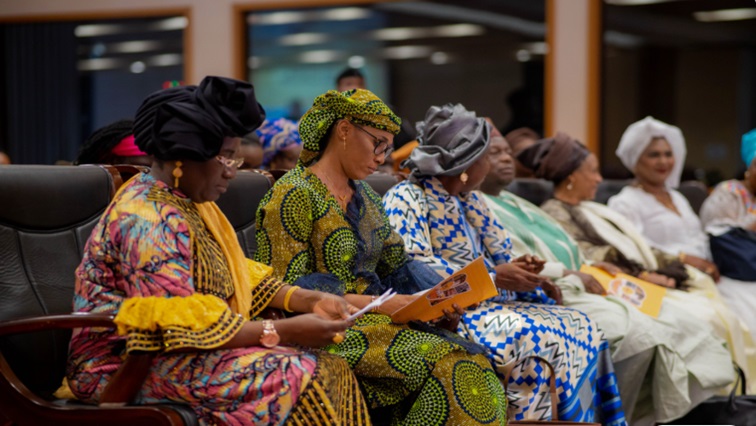
The University of South Africa (UNISA) in partnership with South African (SA) Women in Dialogue and United Nations (UN) Women, has hosted a Women’s Month dialogue in Pretoria, Gauteng Province.
Held under the theme, “70 Years into the Future,” the event focused on women’s progress and the future of African leadership.
It forms part of SA’s Women’s Month commemorations, which honour the historic 1956 Women’s March against apartheid pass laws.
Addressing the women present at UNISA, SA’s Auditor General Tsakani Maluleke stated that her office has made opportunities available for young women in the country.
However, she emphasised that these efforts could be rendered ineffective if violence against women and girls persists, both in SA and globally.
She noted that this issue is not just a personal tragedy but also weakens the social fabric, impedes progress, and affects up to 3.7% of global Gross Domestic Product.
“In our country, in other parts of the world, women and girls are not safe, not safe in their homes, on the streets, or wherever they may live. And the reality is that all other interventions, whether it’s about entrepreneurship, financial inclusion, representation and decision making, representation and politics, all of those interventions, education, they are not going to deliver what we hope for, for as long as this scourge remains as what it is. For as long as a woman is subjected to ongoing violence and does not feel safe, she’s not going to be able to take advantage of any of the opportunities.”
UNISA says the dialogue is not a luxury but is necessity. It is an act of resistance against the forces that would keep women silent, marginalised and unsafe.
Executive Director Tuition Support and Facilitation of Learning at the university, Professor Meahabo Magano elaborates more on the importance of the dialogue.
“It is an act of hope, the hope that intergenerational dialogue can bridge the gap between the sacrifices of the past and the aspirations of the future. Let us honour the women of 1976, not with words alone, but with action. Let us mentor and uplift younger generations, build supportive networks, champion ethical leadership, I repeat, champion ethical leadership, challenge harmful norms and stereotypes, promote education, strengthen community solidarity, and promote active citizenry.”
Messages of support were delivered by various organizations and entities. One of the contributors was the Beijing +30 African Women’s movement.
The Chairperson of this movement, who also serves as the Chairperson of the Thabo Mbeki Foundation, is Geraldine Fraser Moleketi.
“As we look 70 years into the future, we aren’t just looking back to applaud the past, we’re asking ourselves What kind of Africa are we leaving for the next generation of young women, of young people. To change our continent for the better, we must live by four simple but powerful principles. We are one Africa. The women of 1956 and the youth of 1976 fought against the system that tried to divide us. Today we must stand fiercely against the tide of anger that turns Africans against other Africans. We must reject the violence and hatred directed at migrants. An African is at home anywhere in Africa.”
–ChannelAfrica/Sisi Segalo–


