


UNMAS Director Kazumi Ogawa said demining experts are describing a level of conflict exposure not seen across previous careers. Ogawa delivered the warning after a meeting of national mine action directors plus UN advisers in Geneva, emphasising that reduced humanitarian assistance is limiting clearance, risk education plus victim support.
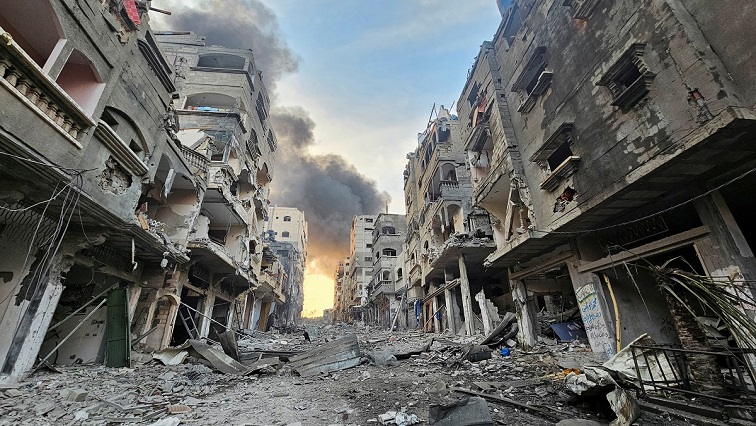
Ogawa pointed to Gaza as a major flashpoint, describing explosive hazards as an immediate civilian threat. Ogawa said 90% of people injured by explosive hazards linked to the Hamas-Israel war are civilians, with children forming the majority of civilian casualties. UNMAS has warned that 5 to 10% of munitions fired in Gaza have not detonated, leaving lethal unexploded ordnance “ingrained” in the rubble. Ogawa said UNMAS teams can cordon hazards off but cannot destroy hazards in many locations, leaving families plus children navigating around piles of dangerous material.
Ogawa said reduced funding is also affecting mine action in Afghanistan, with Ogawa citing a toll of one child killed every day from explosive hazards. Ogawa described Syria as another extreme case, with 200 people killed each week by explosive hazards, compared with annual figures of about 300 deaths in some mine-affected countries under less intense conditions. Ogawa said donor funding supports clearance, explosive ordnance risk education, victim assistance plus wider humanitarian advocacy needed to keep communities safer.
Beyond the immediate human toll, Ogawa said explosive contamination imposes long-term social plus economic costs, placing lifelong burdens on families plus communities caring for children injured by blasts.
Ogawa also highlighted positive examples where mine action supports recovery, including Colombia, where former fighters are involved in demining, risk education plus victim assistance as part of a transitional justice approach aimed at restoring communities.
Ogawa stressed the continued value of the 1997 Anti‑Personnel Landmines Convention, warning that recent withdrawals by several European countries risk weakening global safety gains. Ogawa said treaty adherence is intended to create conditions for people to live in safety plus security.
–UN/ChannelAfrica–


