

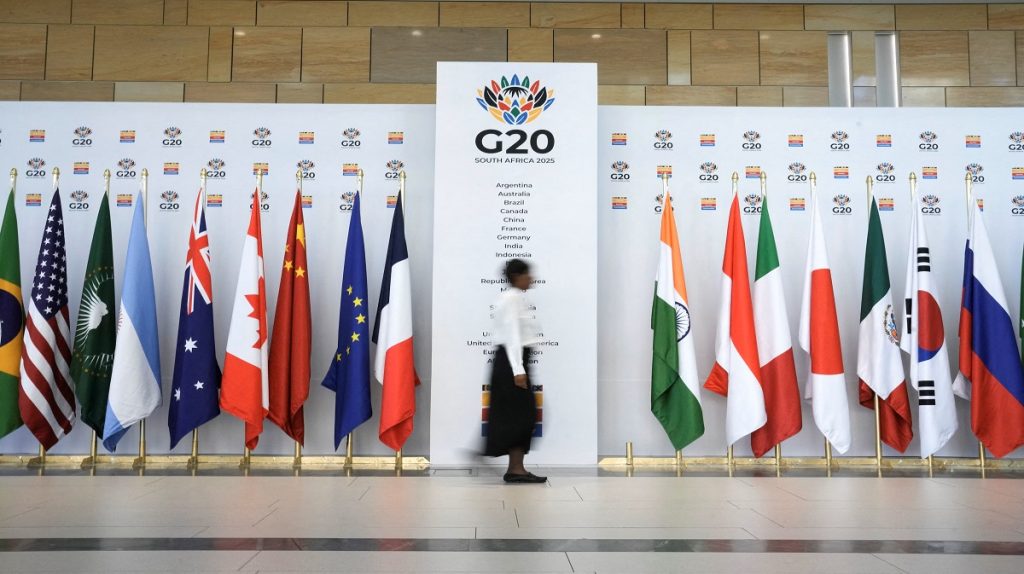
The White House has confirmed it will not join the negotiations, sending only the Charge d’Affaires from its Pretoria Embassy to attend the ceremonial handover at the end of the summit.
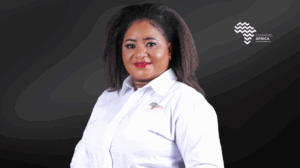
Elizabeth Sidiropoulos, Chief Executive of the SA Institute of International Affairs, on Friday, said the diplomatic signal is stark. A Presidential handover to a mid-ranking envoy is “not at the appropriate level”, she noted, and SA is likely to propose an alternative arrangement.
However, she stressed that the negotiations for the final declaration have advanced without American involvement, and the rest of the G20 cannot “come to a stop” because of United States (US) objections.
Sidiropoulos said Washington’s decision is shaped partly by domestic US politics. President Trump has framed the boycott around allegations of “race-based persecution” of white Afrikaners, claims strongly rejected by Pretoria. But she said the move fits into a broader worldview in which the Trump administration questions the value of multilateralism, international consensus-building and institutions that require compromise.
“For this administration, any international engagement must deliver direct, narrowly defined benefits for the US,” she said, adding that the SA presidency’s agenda is seen in Washington as contrary to American interests.
Despite the boycott, SA insists the summit will adopt a final declaration. Sidiropoulos said this standoff exposes the shifting balance of power within the G20. While the grouping operates by consensus, its members do not approach the table as equals in political influence. Yet the refusal of the world’s largest economy to participate marks an unprecedented moment.
She warned that the deeper challenge extends beyond Johannesburg. The ability of global forums to produce consensus is “fraying significantly”, with divisions emerging over climate action, energy transitions, digital governance and global financial reform.
Sidiropoulos said the central question for world leaders now is how to maintain momentum on shared global priorities “even where certain countries may want to turn away from them”.
–ChannelAfrica–


