


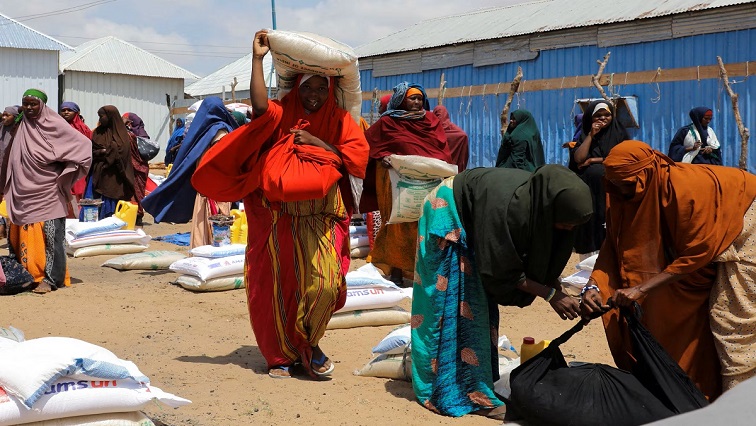
The WFP is using AI to help deliver aid to vulnerable communities in Somalia as the country faces a deepening hunger crisis.
Although WFP cannot reach all six million Somalis facing hunger, data collected by partners and analysed through the agency’s HungerMap Live platform is helping teams prioritise areas where conditions are likely to worsen.
Somalia continues to face droughts linked to climate change, flash floods and a conflict that has lasted for 35 years. The country also imports most of its food, leaving households exposed to global price shocks, including those linked to the conflict in the Middle East.
In June, WFP and the Food and Agriculture Organisation added Somalia to their list of “hunger hotspots of highest concern”, alongside northeast Nigeria, Sudan, South Sudan, Yemen and Palestine.
WFP Head of Vulnerability, Analysis and Mapping in Somalia Simon Renk said the situation remains alarming. “It is a very gruesome situation, and I’m very, very concerned about these next few weeks and months,” Renk said.
In Burhakaba District, about 180 km northwest of Mogadishu, malnourished children have filled local medical centres. WFP used HungerMap Live to identify the district’s urgent needs and provide food assistance to 48 000 people, as well as nutrition support to 3 000 women and children. “Instead of waiting for that malnutrition of children to deteriorate and lead to displacement or even death, we knew it prior,” Renk said.
HungerMap Live was first launched in January 2020 to monitor food security in more than 90 countries. The updated HungerMap Live 2.0, released in April, uses predictive AI to help WFP and governments understand where hunger is worsening and why. “With this new version, it helps us not only to describe where hunger is but also helps us to explain why conditions are deteriorating and where they could worsen next,” Renk said.
The platform analyses data on rainfall deficits, flood risks, market prices, conflict, nutrition, inflation and agriculture. According to WFP, this helps field teams decide which communities to prioritise and what type of support is most appropriate, including cash assistance or specialised nutrition support.
WFP is currently able to reach only one in 10 people in need in Somalia. The agency requires an additional $192 million between now and January 2027 to assist everyone requiring food support.
Renk said AI improves evidence-based decision-making but does not solve the funding shortage. “It helps us to prioritise with stronger evidence,” Renk said. “But in itself, it doesn’t make the shortage of support acceptable.”
–UN/ChannelAfrica–


