


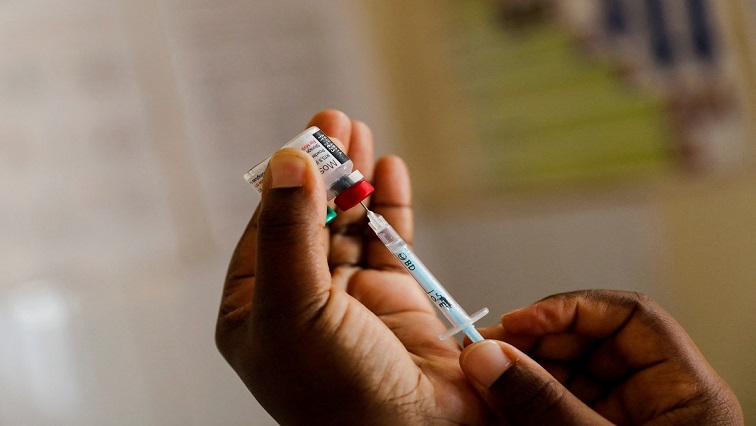
The newly prequalified formulation of artemether-lumefantrine is designed for the youngest malaria patients, addressing a long-standing gap in treatment options. Until now, infants with malaria have often received formulations intended for older children, increasing the risk of dosing errors, side effects and toxicity. WHO prequalification confirms the medicine meets international standards for quality, safety and efficacy, and enables public-sector procurement.
WHO has linked the announcement to the scale of need in malaria-endemic regions, particularly in Africa, where an estimated 30 million babies are born each year in settings at risk of malaria.
WHO Director-General Dr Tedros Adhanom Ghebreyesus described the development as part of a broader shift in the fight against malaria, highlighting progress in vaccines, diagnostics, mosquito nets and medicines. Ghebreyesus said ending malaria within a lifetime is increasingly possible, but requires sustained political and financial commitment.
WHO has also announced the prequalification of three new rapid diagnostic tests on April 14, 2026, designed to address emerging diagnostic failures linked to genetic deletions in the malaria parasite. Many commonly used tests for P. falciparum detect the HRP2 protein, but reported surveys in 46 countries have found strains that lack the gene producing HRP2, leading to false-negative results. In parts of the Horn of Africa, up to 80% of cases were reportedly missed. The new tests target an alternative parasite protein, pf-LDH, offering a more reliable option where HRP2-based tests are failing. WHO recommends switching to alternative tests when more than 5% of cases are missed due to pf-hrp2 deletions.
The announcements coincide with the 2026 World Malaria Day campaign, “Driven to End Malaria: Now We Can. Now We Must.” The World Malaria Report 2025 estimates 282 million cases and 610 000 deaths in 2024, with progress stalling amid drug resistance, insecticide resistance, diagnostic challenges and declining development assistance.
-WHO/ChannelAfrica–


