

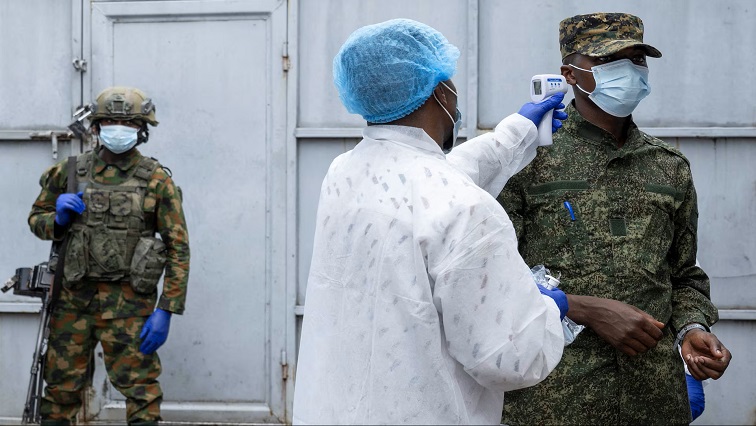
WHO Director General Tedros Adhanom Ghebreyesus said more than 900 suspected cases and 220 suspected deaths have been recorded in the country. The outbreak, linked to the Bundibugyo strain of the virus, has been classified as a public health emergency of international concern.
The outbreak is centred in eastern DRC, where the national risk level has been raised to very high. Neighbouring countries, including Uganda, are also considered at increased risk. Uganda has confirmed five cases and one death.
Health officials said the outbreak is spreading faster than containment efforts, partly due to operational challenges. Insecurity in the region has limited access to affected areas, while community mistrust has affected engagement with health teams.
WHO Africa Emergency Response Director Marie Roseline Belizaire said misinformation circulating on social media has contributed to resistance.
In recent days, two treatment centres were set on fire, disrupting response operations in areas already affected by conflict and displacement.
The region has experienced ongoing violence, with more than 100 000 people displaced. Health officials said these conditions are increasing the risk of transmission and complicating response efforts.
Burial practices have also contributed to tensions. Authorities have introduced restrictions on large gatherings during funerals, while health workers manage burials to prevent infection. Families are not allowed to touch the bodies of victims, although they may observe and participate using protective equipment.
Belizaire said WHO is working with community leaders and traditional healers to improve communication and build trust. These efforts aim to reduce resistance and support safe practices.
There is currently no approved vaccine or treatment for the Bundibugyo strain. WHO has recommended the use of experimental therapies, including antibodies under clinical evaluation and an antiviral treatment being tested in trials.
WHO has increased operations on the ground, focusing on surveillance, contact tracing, laboratory testing and treatment. Efforts also include strengthening infection prevention measures and community awareness.
The organisation has released $3.9 million from its contingency fund to support the response.
–UN/ChannelAfrica–


