

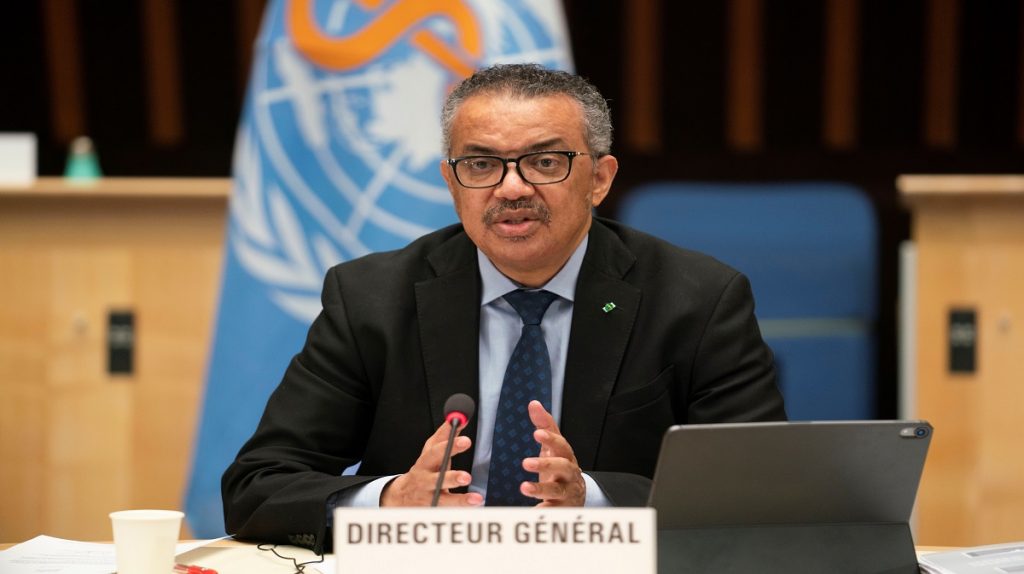
According to the Results Report 2025, released on Thursday ahead of the 79th World Health Assembly next month, support from WHO and partners contributed to measurable improvements in essential health services, protection from health emergencies and overall wellbeing. WHO Director‑General Tedros Adhanom Ghebreyesus said the report shows tangible benefits for millions, while cautioning that gains “cannot be taken for granted”.
Despite progress, the report states that roughly half of WHO output targets were not met, with financial pressures and internal restructuring affecting delivery.
The report confirms that WHO did not fully achieve the “Triple Billion” goals, which aimed to deliver one billion additional beneficiaries across each of the three outcome areas by the end of 2025, compared with 2018. Even so, WHO recorded significant year‑on‑year gains:
- 567 million additional people covered by essential health services in 2025, an increase of 136 million from 2024
- 698 million additional people better protected from health emergencies, up 61 million from 2024
- 1.75 billion additional people living healthier lives, an increase of 300 million since 2024
Progress towards universal health coverage was linked to expanded services for communicable diseases, including HIV and tuberculosis, improved sanitation and growth in the health workforce. The report flags ongoing gaps in diabetes management, measles surveillance and financial protection.
The report cites strengthened emergency preparedness linked to the Pandemic Agreement and revised International Health Regulations. WHO supported responses to 66 emergencies across 88 countries in 2025, including 33 million medical consultations delivered through health partners in Gaza.
Mental health and psychosocial support coverage rose from 28% to 48%. HPV vaccine coverage increased from 17% in 2019 to 31% in 2024, supported by simplified single‑dose schedules. A global air pollution roadmap targets a 50% reduction in related deaths by 2040.
WHO warned that reduced staffing capacity, limited technical support and slower programme implementation pose risks, while earmarked funding continues to limit flexibility. Findings will be presented in Geneva at the World Health Assembly running May 18–23, 2026.
–UN/ChannelAfrica–





