


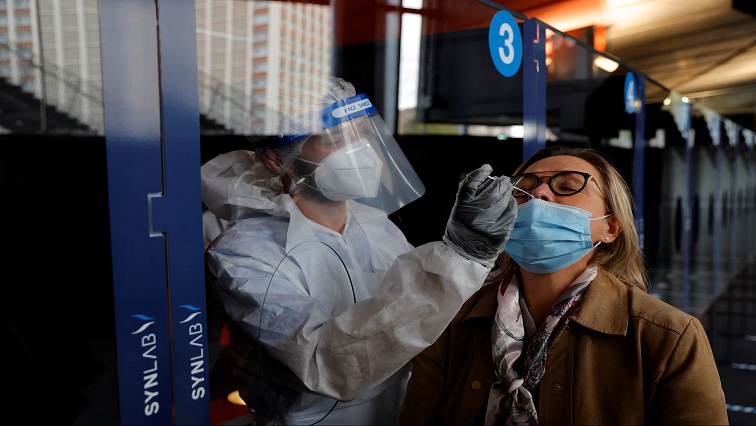
Held on April 22 and April 23, the exercise was built around a fictional outbreak involving a new bacterium spreading internationally. The simulation brought together 26 countries and territories, 600 health emergency experts, and more than 25 partner organisations, enabling participating authorities to stress-test emergency coordination structures under near real-life conditions.
WHO said Exercise Polaris II required each participating country to activate national emergency coordination mechanisms, accelerate workforce mobilisation, and strengthen information sharing and policy alignment across borders. The exercise followed Polaris I, which was conducted in April 2025, and focused on a fictional virus.
WHO Director‑General Dr Tedros Adhanom Ghebreyesus said the exercise demonstrated the importance of international coordination. Dr Tedros Adhanom Ghebreyesus described global cooperation as essential and linked the exercise to the purpose of the Global Health Emergency Corps (GHEC), which aims to build trusted networks and coordinated emergency workforces across regions.
Exercise Polaris II also put two key WHO frameworks into practice: the Global Health Emergency Corps framework and the National Health Emergency Alert and Response framework. WHO said the simulation explored the use of artificial intelligence-enabled tools to support workforce planning and organisation.
The GHEC framework, published in June 2025, provides guidance on strengthening health emergency workforces based on principles of sovereignty, equity and solidarity, including mechanisms for information exchange and deployment of regional and global surge capacity. The National Health Emergency Alert and response framework, published in October 2025, outlines functions and coordination actions required at local, sub-national and national levels.
Brazil’s Ministry of Health representative Edenilo Baltazar Barreira Filho said the simulation helped turn written plans into operational practice and tested performance under pressure.
WHO Health Emergencies Programme Executive Director Dr Chikwe Ihekweazu described Exercise Polaris II as an example of readiness through coordinated action, highlighting the role of a trained and connected emergency workforce.
Partners involved included the Africa Centre for Disease Control, the International Federation of Red Cross and Red Crescent Societies, Médecins Sans Frontières, the United Nations Children’s Fund, the Robert Koch Institute, the United Kingdom-Med, and global emergency networks such as Global Outbreak Alert and Response Network and Emergency Medical Teams. WHO said the exercise forms part of HorizonX, a multi-year simulation programme intended to make preparedness a continuous investment rather than a periodic event.
–WHO/ChannelAfrica–


