

In a new report on strengthening screening systems, the WHO highlights that early detection of conditions such as congenital hypothyroidism, sickle-cell disease, hearing loss and metabolic disorders can significantly reduce mortality and lifelong disability. Yet access to these services remains uneven, particularly in low- and middle-income countries.
Globally, around 8 million babies are born with birth defects each year, which now account for nearly 8% of all deaths among children under five. The burden is disproportionately high in developing regions, where about 90% of affected children live and where health systems often lack the capacity to diagnose and treat conditions early.
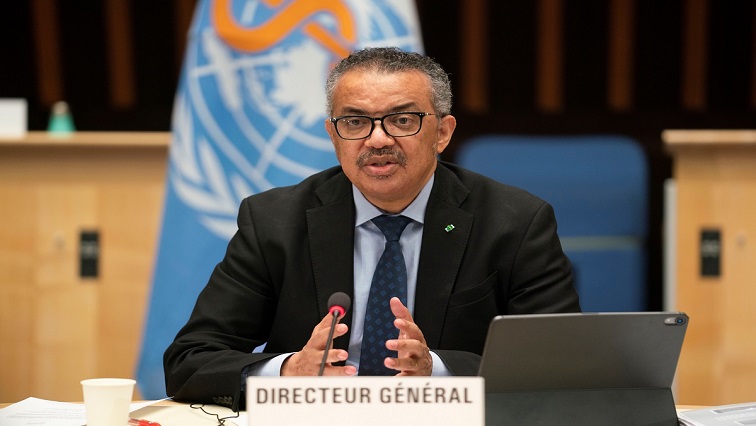
WHO Director-General Dr Tedros Adhanom Ghebreyesus said expanding screening is critical to improving child health outcomes. “No child should miss the chance for a healthy future because a condition was not detected early enough,” Tedros said.
The report notes that disparities between countries remain significant. While some nations screen for more than 50 conditions as part of routine care, others lack even basic screening programmes. WHO is encouraging countries to begin with priority conditions and gradually expand services as capacity improves.
Progress is already visible in several countries. Programmes in Argentina, Brazil, Egypt and India have significantly expanded screening coverage, while Uganda has strengthened early detection and treatment of sickle-cell disease. These examples show that integrating screening into primary healthcare systems is both feasible and effective.
The WHO is urging governments to embed newborn screening into universal health coverage frameworks, alongside diagnosis and long-term care. Officials say this approach can help sustain gains in reducing infectious disease mortality while addressing the growing impact of birth defects.
The agency stresses that early action is key, as timely diagnosis not only saves lives but also reduces long-term healthcare costs and improves quality of life.
–WHO/ChannelAfrica–


