


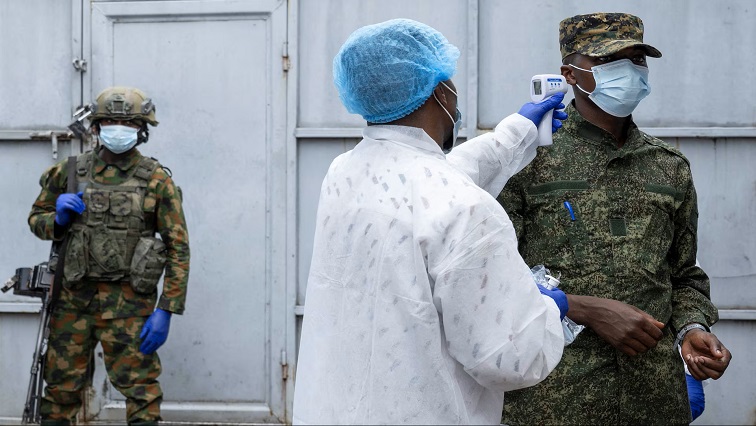
Speaking in Geneva, WHO Director-General Tedros Adhanom Ghebreyesus said the response has grown rapidly within weeks, but the pace of transmission remains a major concern. “It’s encouraging to see that the response has scaled up significantly,” Tedros said.
Treatment capacity has increased sharply, rising from fewer than 10 beds at the start of the outbreak to over 500 beds across 19 health centres. Laboratory capacity has also expanded from just 30 daily tests in Kinshasa to more than 2 000 tests per day across nine laboratories.
These improvements have supported earlier diagnosis, with more than 100 patients recovering so far. Communities are also becoming more aware of the risks, with growing demand for information and protection measures.
However, the overall situation remains critical. The DRC has now recorded over 1 090 confirmed cases and 277 deaths, while neighbouring Uganda has reported 20 infections. WHO said new treatment options could help reduce fatalities, with clinical trials expected to begin on antiviral drugs, including MBP134 and remdesivir.
Beyond medical capacity, major operational challenges persist. Limited humanitarian access, insecurity and weak infrastructure continue to slow the response. Contact tracing remains incomplete, treatment facilities are under strain, and safe burial practices are difficult to maintain in some areas.
Health workers are also at risk, with nearly 80 infections reported among frontline responders. A recent case involving an aid worker returning from the DRC highlights the ongoing dangers.
Tedros stressed that stronger political action is needed to improve access and scale up operations. “Political advocacy and action are essential,” he said.
–UN/ChannelAfrica–


