


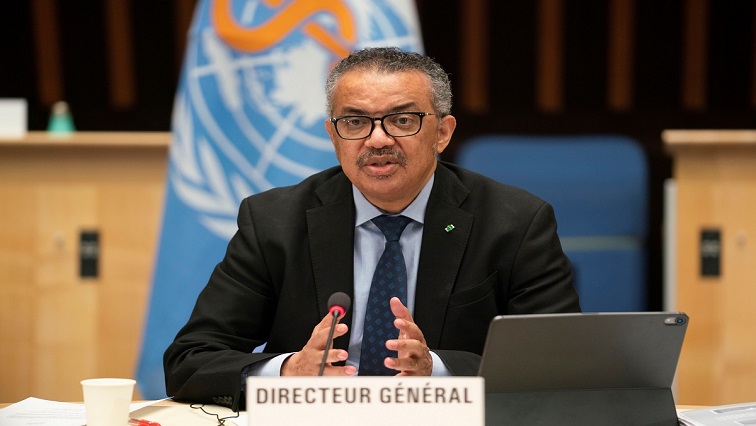
WHO Director-General Tedros Adhanom Ghebreyesus said the outbreak of the Bundibugyo strain in Ituri province is spreading in conditions that are limiting containment efforts. Tedros said insecurity, attacks on health facilities and population displacement are making it difficult to trace contacts and isolate cases.
The Bundibugyo strain, first identified in 2007, currently has no approved vaccine or treatment. Health authorities have reported nearly 1 000 suspected Ebola cases in the DRC, with more than 220 suspected deaths. In neighbouring Uganda, seven confirmed cases have been recorded, including infections among healthcare workers and one confirmed death.
The outbreak is expanding geographically, with cases reported across 11 health zones. Infections have also been identified in North Kivu and South Kivu, indicating wider spread beyond the initial epicentre.
WHO said transmission is occurring within families and health facilities, with infections linked to caregiving, gatherings and unsafe burial practices.
Efforts to control the outbreak are taking place in areas affected by ongoing conflict involving multiple armed groups. Violence has disrupted access to health services and limited humanitarian operations, with attacks on communities and facilities reported.
Poor infrastructure, including damaged roads and limited transport access, is further constraining the delivery of medical assistance and supplies.
The outbreak is unfolding alongside a broader humanitarian crisis. Millions of people in the affected regions are facing acute food insecurity, with an estimated 26.5 million people nationally experiencing high levels of hunger.
Tedros said malnutrition increases vulnerability to infection, further complicating response efforts.
Children have been identified as particularly vulnerable, both through exposure to the disease and disruption to health, nutrition and education services. The United Nations Children’s Fund said children in affected areas are also at risk of losing caregivers and facing social stigma.
WHO said it is working with local communities to build trust and address misinformation. The organisation is deploying personnel, supplies and communication campaigns to support the response.
Officials said community engagement remains critical, noting that effective containment depends on cooperation between health authorities and local populations.
Tedros called for a ceasefire to allow humanitarian and health workers to access affected communities, saying improved access is essential to controlling the outbreak.
–UN/ChannelAfrica–


