


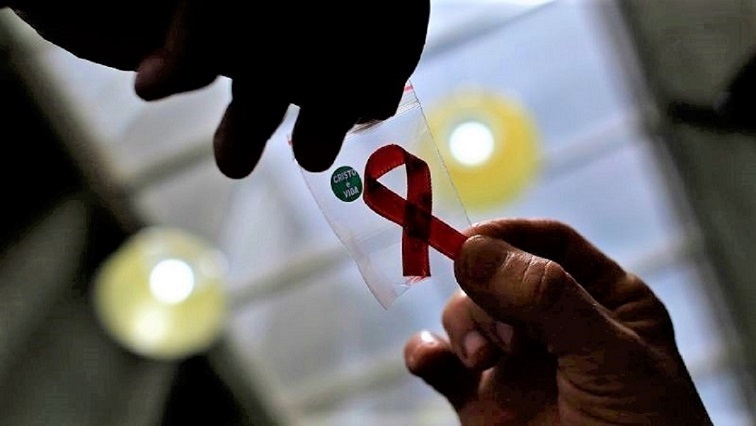
The WHO released the assessment on Monday during the 26th International AIDS Conference in Rio de Janeiro, Brazil, and ahead of World Hepatitis Day on July 28.
The report reviews progress in implementing the Global Health Sector Strategies on HIV, viral hepatitis and sexually transmitted infections for 2022–2030.
WHO Director-General Dr Tedros Adhanom Ghebreyesus said the findings highlight both progress and vulnerability.
“This report tells two stories. It demonstrates what is possible when countries invest in health, communities and science. But it also shows how quickly progress can be undone with funding disruptions, humanitarian emergencies and persistent inequalities,” Tedros said.
Tedros said countries must focus on integrated and resilient health systems over the next five years. “Over the next five years, we must build integrated, resilient health systems that reach those furthest behind,” Tedros said.
By the end of 2025, an estimated 32 million people living with HIV were receiving treatment. Since 2010, new HIV infections have fallen by 42%, while AIDS-related deaths have declined by 57%.
Despite this progress, 9 million people still lack access to life-saving HIV treatment. New infections are also rising in some regions, particularly among key populations, including men who have sex with men, sex workers, people who inject drugs, transgender people and people in prisons.
The report also notes progress on viral hepatitis. Since 2015, annual hepatitis B infections have declined by 32%, while hepatitis C-related deaths have fallen by 12% globally.
However, viral hepatitis remains one of the world’s deadliest infectious diseases, claiming an estimated 1.3 million lives in 2024. Deaths linked to hepatitis B have increased by 17% since 2015.
Progress on sexually transmitted infections has been uneven. Countries have improved syphilis screening and treatment during pregnancy, while human papillomavirus vaccination coverage has increased modestly. However, STI rates are rising in several countries, and resistance to antibiotics used to treat gonorrhoea is increasing.
WHO said cuts in international donor funding in 2025 disrupted HIV prevention services, including access to pre-exposure prophylaxis.
The report identifies integration as one of the strongest opportunities for progress. Countries achieving better results are increasingly delivering HIV, hepatitis and STI services through primary healthcare alongside tuberculosis, reproductive health, maternal and child health, and non-communicable disease services.
WHO Department for HIV, TB, Hepatitis and STIs Director Dr Tereza Kasaeva said the report provides practical guidance for the next phase. “This assessment is more than a progress report; it is a practical guide for action for the second half of this strategy period,” Kasaeva said.
Kasaeva said WHO is supporting countries with new HIV service delivery and surveillance guidance to strengthen programmes and reach underserved communities.
–WHO/ChannelAfrica–


