


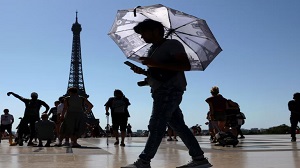
The agency said that between 2000 and 2019, extreme temperatures caused around 489 000 heat-related deaths each year, with Europe accounting for 36% and Asia 45% of the total.
Cities are particularly vulnerable due to the ‘urban heat island effect’, where densely built areas trap more heat than their rural surroundings, exacerbating the dangers as urbanisation expands.
July 2025 was the third-warmest July on record, behind only 2023 and 2024. Northern Europe faced unprecedented conditions, with Sweden and Finland enduring prolonged spells above 30°C, while Türkiye registered a new national record of 50.5°C.
In Asia, heatwaves gripped the Himalayas, China and Japan, where a new high of 41.8°C was set on August 5, breaking a record established just a week earlier. Parts of Iran and Iraq exceeded 50°C, crippling electricity, water supplies and public services. Morocco, meanwhile, issued heat alerts for temperatures reaching 47°C.
The WMO noted that many of these extreme events were accompanied by wildfires, further degrading air quality and compounding health risks.
Looking ahead, the World Meteorological Centre in Beijing forecasts that searing conditions will persist into next week across West and Central Asia, North Africa, the southwestern United States, the Iberian Peninsula and northern Mexico, with some regions likely to see temperatures above 45°C.
The organisation stressed the need for urgent adaptation measures, improved urban planning, and early warning systems to protect vulnerable communities from the increasingly deadly effects of extreme heat.
–UN/ChannelAfrica–


