


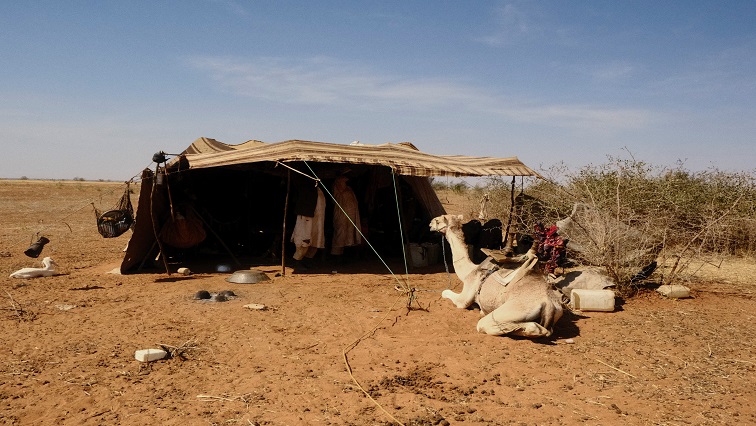
The agency warned this week that a “dual terror” is gripping the capital of North Kordofan, where civilians are increasingly caught between escalating attacks and a worsening humanitarian crisis.
“In El Obeid, Sudan, drone attacks during the day and sexual violence at night have left no safe window for women and girls to collect water,” said Anna Mutavati, UN Women Regional Director for East and Southern Africa, during a briefing from Nairobi to journalists in Geneva.
Mutavati said the pattern mirrors abuses documented in El Fasher last year. Drones have reportedly targeted water points and distribution sites during daylight hours, forcing many women and girls to wait until after dark to collect water. However, the move has exposed them to another danger. “Many have been harassed, raped, and subjected to other forms of sexual violence” while attempting to fetch water, Mutavati said.
The growing use of foreign-made drones in Sudan’s conflict has pushed the war deeper into civilian life, placing critical infrastructure and essential services at greater risk. UN High Commissioner for Human Rights Volker Türk warned in May that the conflict was “on the cusp of entering yet another new, even deadlier phase”.
According to the UN human rights office, drone strikes killed at least 880 civilians during the first four months of 2026, accounting for more than 80% of all civilian deaths recorded during that period.
El Obeid, a strategic hub linking Khartoum with Darfur, the wider Kordofan region and southern Sudan, has been fiercely contested since fighting erupted between rival military forces in April 2023. More than 500 000 people live in the city, including about 83 000 internally displaced people, most of them women and children.
The deteriorating water situation is heightening concerns over disease as the rainy season approaches its peak next month. The World Health Organization reported 1 330 cholera cases in Sudan in early July, while rising malnutrition and limited access to food and healthcare are increasing vulnerability, particularly among women and girls.
UN Women said the number of women and girls requiring gender-based violence services has quadrupled since the conflict began, reaching an estimated 12.7 million in 2026.
The agency also warned that funding cuts have forced two-thirds of women-led organisations to close or reduce services, including safe spaces and support programmes for survivors of violence. Half of the organisations surveyed said they could suspend operations entirely within a year without urgent financial assistance.
Mutavati renewed calls for an immediate ceasefire, inclusive peace negotiations and an end to the conflict. Earlier this month, the UN Fact-Finding Mission for Sudan warned that the Rapid Support Forces appeared to be replicating tactics previously used in El Fasher, including encircling El Obeid and attacking critical infrastructure, raising fears of further mass atrocities.
–UN/ChannelAfrica–


