


The programme forms part of a broader World Bank Group support package for the DRC capital, now totalling nearly $900 million in active financing across three complementary operations targeting major urban and development pressures.
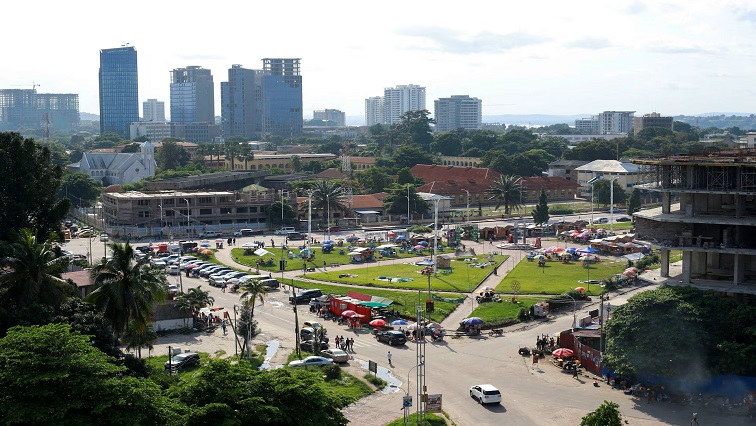
Kinshasa is among Africa’s fastest-growing megacities, home to more than 17 million people, with projections indicating Kinshasa could become the continent’s largest city by 2030. Rapid growth has outpaced basic service delivery. The city generates roughly 12 000 tonnes of waste each day, with 98% reportedly dumped or burnt in the open. Uncollected waste clogs drainage channels, increases flood risk, and contributes to disease in densely populated, low‑income neighbourhoods. Youth unemployment remains high, reinforcing the need for work opportunities linked to city upgrading.
Phase 1 of Kin la Belle will be financed through a $250 million International Development Association credit and is structured around three pillars.
The first pillar focuses on establishing a functional solid waste management system through infrastructure such as collection points, transfer stations, and an integrated waste management centre in selected communes. The pillar also includes institutional strengthening and regulatory improvements, with a push toward public-private partnerships to attract longer-term private investment.
The second pillar prepares future investments to connect residents to economic opportunities and riverfront areas, including technical readiness for waterfront redevelopment and transport services on the Congo River.
The third pillar targets inclusive jobs and competitiveness through labour‑intensive public works and support for micro and small enterprises across the waste value chain, with emphasis on women and youth.
World Bank Division Director Albert Zeufack described the initiative as practical urban development, citing cleaner streets, reduced flooding, and jobs linked to improved services.
Kin la Belle complements earlier World Bank-backed programmes, including Kin Elenda approved in 2021 and PRIUR approved in 2025, forming a coordinated package aimed at a cleaner, safer, more resilient Kinshasa.
–WorldBank/ChannelAfrica–


