


Just over a decade ago, the world was heading towards more than 4°C of warming. Actions following the Paris Agreement lowered the projected increase to 2.3°C, provided countries fully implement existing commitments.
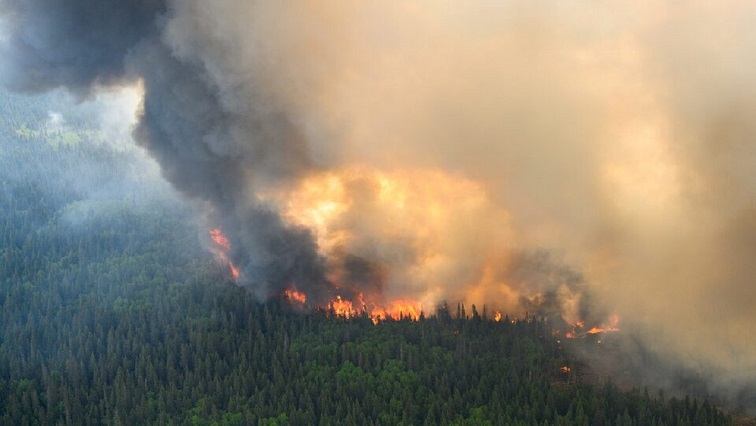
However, the past 11 years have been the hottest on record, with heatwaves, droughts, floods, storms and wildfires causing growing human and economic losses.
The United Nations (UN) said overshoot means average global temperatures rise above 1.5°C for a period before potentially falling again. Current climate plans and additional net-zero commitments could still result in warming peaking at about 1.8°C.
“Every fraction of a degree will cost lives, destroy livelihoods, deepen inequality and push ecosystems closer to irreversible damage,” UN Secretary-General António Guterres said.
The UN said countries responsible for nearly 90% of global emissions have submitted updated national climate plans. Even if fully implemented, the measures would reduce emissions by only about 10% by 2035.
The organisation said emissions must fall by approximately 60% over the same period to keep the 1.5°C goal within reach.
Faster reductions in methane and other short-lived climate pollutants will be required alongside measures to halt deforestation and replace fossil fuels with renewable energy, the UN said.
The UN said countries will also need modern electricity grids, additional storage and wider use of clean power across transport, heating and industry.
Renewable energy could improve energy security because three in four people live in countries importing more fossil fuels than they export, the UN said. “There are no embargoes on sunshine and no price spikes for wind,” Guterres said.
Developing countries continue facing higher borrowing costs for renewable-energy projects, making investment in power generation, grids and storage more difficult.
The UN has called for cheaper finance, reforms to multilateral development banks and increased private investment. Mineral-producing countries should also retain more value by processing resources locally instead of exporting only raw materials.
Adaptation remains essential because emissions reductions cannot reverse damage already affecting communities. Investment is needed in resilient infrastructure, agriculture, water management and early-warning systems. “No country can tackle climate change entirely on its own,” the UN said.
These priorities will feature at the UN Climate Summit in New York on September 23, focusing on accelerating the energy transition, unlocking finance and protecting communities.
–UN/ChannelAfrica–


