

The UN Environment Programme’s (UNEP) 2026 Emissions Gap Report outlines a pathway that would limit peak warming to between 1.7°C and 1.8°C around the middle of the century.
Achieving that outcome would require global emissions to fall by 18% by 2030, 45% by 2035 and 69% by 2040 compared with 2025 levels. “Overshoot is not surrender,” UN Secretary-General António Guterres said.
“We can still keep it as small and as short as possible, and bring temperatures back below 1.5°C by the end of the century.”
Current government policies could result in warming of 2.8°C this century, with temperatures continuing to rise thereafter.
Even if countries fully implement existing national climate plans and maintain similar efforts beyond their current timelines, warming would be limited to only about 2.6°C.
The latest projections have worsened because of revised estimates of historical emissions and the United States withdrawal from the Paris Agreement.
New national climate plans submitted since the previous report have made little difference to the trajectory. “Every additional fraction of a degree and additional year of warming above 1.5°C increases climate impacts and risks,” UNEP Executive Director Inger Andersen said.
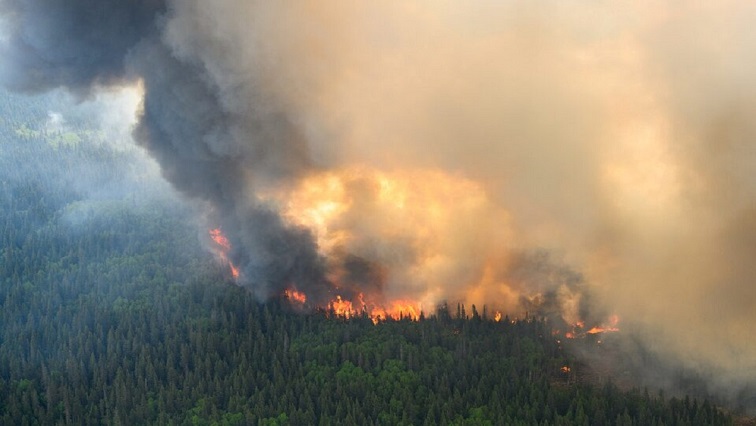
Andersen cited deadly floods, heatwaves and wildfires affecting countries during 2026. “We must pull out all the stops to minimise peak warming and return to 1.5°C by the end of the century,” Andersen said.
The Report called for renewable-energy capacity to triple and the annual rate of energy-efficiency improvements to double by 2030.
Countries must also transition from fossil fuels, reduce emissions other than carbon dioxide and halt deforestation and forest degradation.
Under the lowest-overshoot pathway, coal’s share of global energy supply would need to fall by at least 55% by 2035 from 2025 levels. Oil would need to decline by 15% and gas by 5%.
By 2040, coal’s share would need to fall by at least 75%, oil by 30% and gas by 35%.
COP31 in Antalya, Türkiye, will begin the second Global Stocktake and consider extending quantified climate targets to 2035 and 2040.
–UN/ChannelAfrica–





