

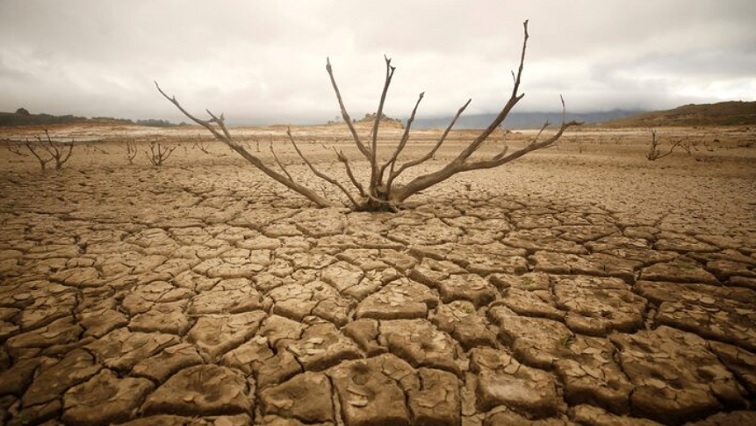
In Ghana, where climate change is driving more frequent floods and droughts, efforts to strengthen hydrological monitoring and improve access to reliable river data are gaining urgency.
Accurate river flow information is increasingly seen as critical for early warning systems, informed decision-making and building resilience to climate shocks. In response, citizen science, where non-professionals contribute to research, is emerging as a practical way to complement traditional monitoring systems while involving local communities.
The United Nations Educational, Scientific and Cultural Organisation (UNESCO), through its Intergovernmental Hydrological Programme, has partnered with GroundTruth and the Youth Bridge Foundation to train young people in river monitoring techniques. The three-day workshop brought together participants from across Ghana to learn how to measure key indicators such as water depth, flow velocity and discharge.
These data points are essential for assessing flood and drought risks and strengthening early warning systems, particularly as climate variability intensifies.
“This training strengthened my capacity to not only monitor rivers but to train others, empowering communities with data for resilience, early warning, and sustainable water resource management,” said participant Peter Adu.
A key feature of the initiative is the use of digital tools, including a method known as virtual gauging, developed with GroundTruth. The approach allows river flow data to be generated from simple mobile phone video recordings, which are then processed and shared through open-access platforms. This offers a low-cost and scalable way to expand monitoring networks.
The programme also demonstrates how citizen science can complement advanced technologies. At a monitoring site near Accra, data collected by an Internet of Things sensor measuring water levels has been enhanced through community input, enabling more accurate calculations of river discharge, a key factor in predicting floods.
Organisers say the initiative marks a step towards building a national network of young citizen scientists, with participants expected to return to their communities to continue monitoring efforts and involve others.
The project forms part of a broader UNESCO initiative aimed at strengthening resilience to water-related disasters in Ghana, with support from the Government of Japan.
–ChannelAfrica/UNESCO–


