


Representatives from Angola, Botswana, Malawi, Mozambique, Namibia, Tanzania, Zambia and Zimbabwe reached the agreement during a regional workshop held in Harare earlier this month.
The meeting took place ahead of an appraisal mission that will assess the design of the Programme for Building Resilience of Food, Livelihoods and Ecosystems in the Zambezi River Basin.
In a statement on Wednesday, the African Development Bank (AfDB) said the programme centres on natural resource management, community climate resilience, institutional capacity, knowledge development and regional coordination.
Proposed interventions include landscape restoration, improved water management, climate-smart agriculture, stronger agricultural value chains and greater economic opportunities for women and young people. “Now the time has come to turn the resources mobilised into achievements on the ground for community resilience, food security, job creation for women and youth, and climate change mitigation throughout the Zambezi basin,” AfDB Group Agricultural Research, Production and Sustainability Manager Dr Laouali Garba said.
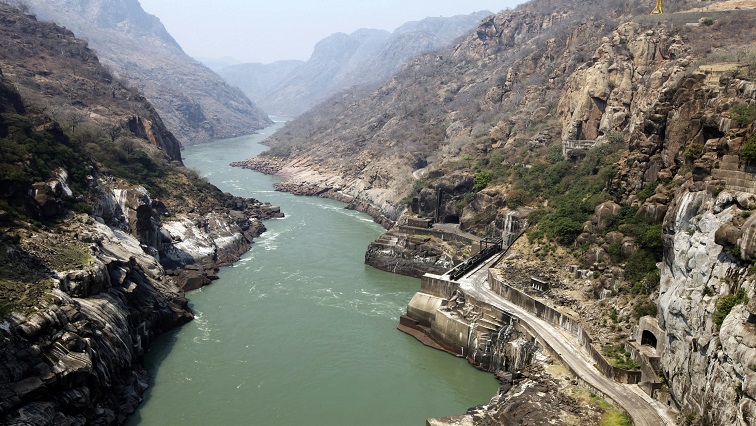
The Zambezi is one of Africa’s largest river systems, supporting agriculture, fisheries, tourism, drinking water and electricity generation through the Kariba and Cahora Bassa dams.
However, droughts reduce hydropower output, while floods damage farmland and infrastructure. Both threats are intensifying as the climate warms and demand for the river’s resources increases.
Participants reviewed project designs, financing allocations, implementation arrangements, geographic priorities and environmental and social safeguards.
Zambezi Watercourse Commission Executive Secretary Felix Ngamlagosi said national investments must contribute to shared regional outcomes. “While the individual investments must respond to the priorities of each participating country, they must all contribute to common basin-wide results,” Ngamlagosi said.
United Nations Convention to Combat Desertification Global Mechanism Programme Coordinator Cathrine Mutambirwa called for stronger cooperation between the land and water sectors. “Drought is directly linked to water resources management,” Mutambirwa said.
The countries were urged to allocate at least 10% of national budgets to priority areas under the programme, maintain community participation, monitor gender outcomes and strengthen land governance.
AfDB Group Country Manager for Zimbabwe Eyerusalem Fasika said participating institutions had “a shared responsibility to prepare a high-quality, bankable investment programme”.
The AfDB said the programme will align with the 2018-2040 Strategic Plan for the Zambezi Watercourse and the Southern Africa Great Green Wall Initiative.
–AfDB/ChannelAfrica–


