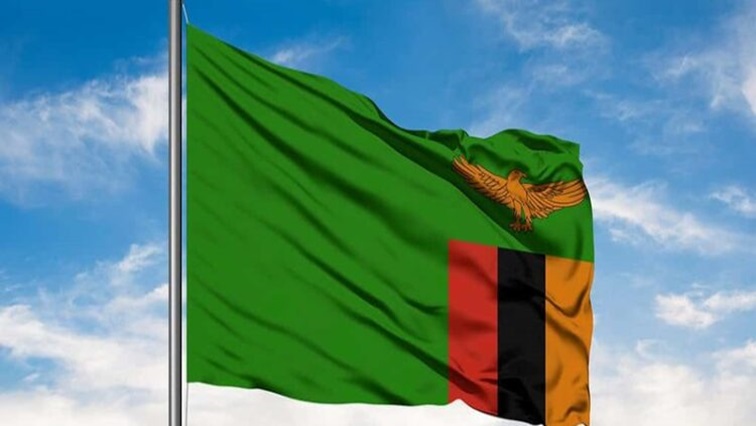
As Zambia marks its 62nd independence anniversary, the milestone is bringing both national reflection and sharp criticism over the country’s political direction. Since gaining independence from British colonial rule on October 24, 1964, under founding President Kenneth Kaunda, the nation has navigated multiple political eras, economic shifts, and a long-standing reputation for regional stability.
However, this year’s commemorations highlight deepening domestic divisions. In a recent interview on Rise and Shine, veteran Zambian human rights activist Brebner Changala raised concerns over the state of civic space and governance under President Hakainde Hichilema. Changala, who is currently facing charges of seditious practices over video remarks criticising the state, argued that hard-won democratic freedoms are being systematically eroded.
According to Changala, the government is using legal mechanisms to silence political opponents and critical voices. He pointed out that according to his assessment, the administration is exhuming colonial-era statutes embedded in the penal code, such as sedition and hate speech laws, to stifle open debate. He added that according to him, these measures selectively target opposition figures, civil society leaders, and critics, while key governance bodies like the judiciary and police operate largely under executive influence.
Addressing arguments regarding recent macroeconomic stabilisation and infrastructure projects, Changala maintained that top-line economic statistics offer little comfort when fundamental liberties are compromised. He noted that according to his view, economic growth cannot replace basic constitutional rights, questioning the value of financial progress if citizens face constant threats of arrest for speaking out.
Meanwhile, supporters of the administration emphasise that Hichilema’s government has made crucial strides in stabilising the national economy, managing public debt, and securing international investment. Government proponents argue these structural reforms are essential for long-term growth and national development, even as many Zambians continue to navigate high living costs.
As official celebrations take place across the country, the anniversary brings into focus an ongoing national debate over democratic standards, political tolerance, and the balance between state authority and civil liberties.
–ChannelAfrica–