


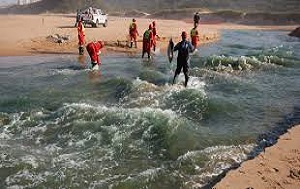
The February disaster released millions of litres of toxic sludge into nearby rivers and farmland, contaminating water sources, destroying crops, and threatening the health and livelihoods of communities in Kalulushi and Chambishi.
Backed by the Southern Africa Litigation Centre (SALC), the affected residents are seeking immediate relief, including clean water, food, healthcare, and safe shelter. They are also demanding a proper, independently monitored cleanup of the poisoned rivers, land, and air, as well as fair compensation for lost crops, livestock, homes, and long-term health impacts. The petition calls for an emergency fund and an escrow fund to secure sustainable restoration efforts.
Dr Atilla Kisla, International Justice Cluster Lead at SALC, said the mining companies’ responses have been insufficient. “An apology doesn’t clean a river,” Kisla said. While some victims have received limited compensation, others were pressured to sign away their rights. “There has been no comprehensive environmental cleanup, long-term support, or genuine acceptance of responsibility,” Kisla added.
Zambian authorities have confirmed dangerously low water pH levels and heavy metal contamination, forcing residents to ration as little as 20 litres of water over two days, well below the United Nations minimum of 50 litres per person per day. The situation has resulted in widespread illness, including diarrhoea and skin irritation.
Kisla said the case represents a critical test of Zambia’s domestic accountability. “If companies can pollute rivers and destroy livelihoods without real consequences, constitutional rights to life, dignity, property, and a healthy environment become meaningless,” he explained. A strong High Court ruling could send a signal that Zambia prioritises its people and natural resources over corporate impunity.


