

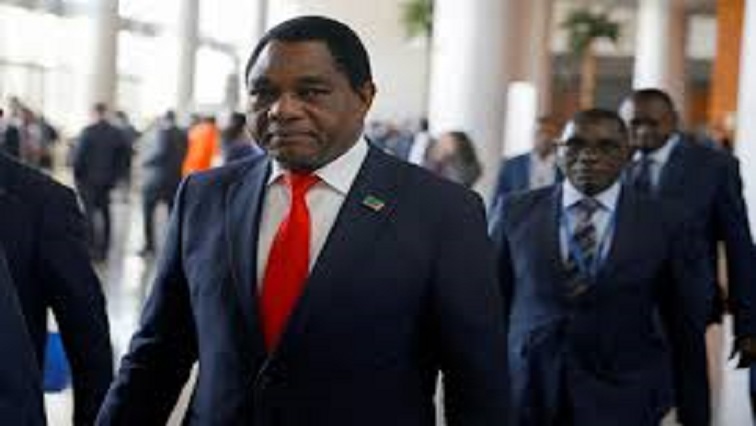
Zambian President Hakainde Hichilema’s re-election hands investors the policy continuity they sought, while negotiations on a new International Monetary Fund (IMF) programme provide an early test of whether a second term can turn economic stabilisation into sustained growth.
The copper producer is emerging from years of economic turmoil after becoming the first African sovereign to default during the COVID-19 pandemic in 2020. Hichilema’s first term was dominated by a lengthy debt restructuring and IMF-backed reforms, while drought, power shortages and a weak currency tested the recovery.
Results released by the election commission in the early hours of Tuesday morning showed Hichilema received roughly 60% of valid votes, compared with 38% for his main challenger Brian Mundubile.
“For investors, Hichilema offers continuity,” said Stuart Culverhouse, Chief Economist and head of fixed-income research at Tellimer. The challenge now will be to build on gains in macroeconomic stability, lower inflation and fiscal discipline while accelerating growth and investment, he said.
“His government has already said they would seek a new IMF programme if re-elected, so that may be the first test for investors.”
Zambia’s 2033 dollar bond, the country’s sole international bond, was bid at 97.72 cents on the dollar on Tuesday, broadly unchanged despite a weaker backdrop for African debt markets.
–Reuters–


