

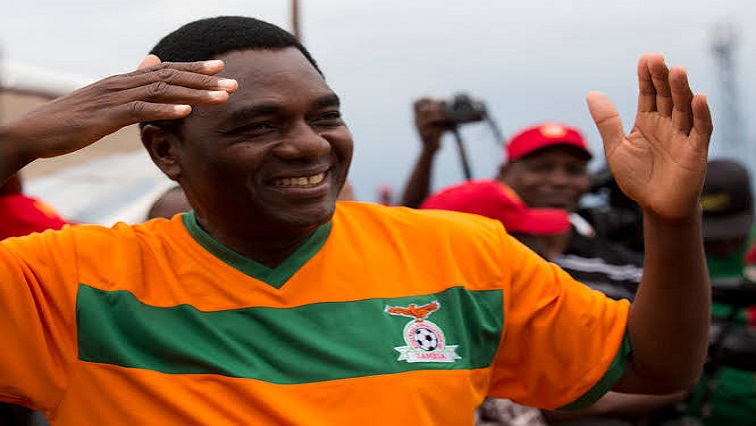
Zambia voters heading to the polls face a contest that appears razor-thin on the surface, yet a critical structural gap in candidate deployment could ultimately hand President Hakainde Hichilema the advantage.
According to political analyst Dr Eustone Chiputa, while main challenger Brian Mundubile of the Tonse Alliance matches the ruling United Party for National Development (UPND) in public support and rally attendance, the opposition has failed to field candidates across all 226 parliamentary seats, as well as several mayoral, town council, and local ward contests. This administrative shortfall gives the incumbent UPND an uncontested head start on the ground that figures heavily into the final arithmetic.
Beyond candidate logistics, shifting voter demographics present another decisive dynamic. Youth voters, who formed 54% of the register during the 2021 election, now make up roughly 46%, with women taking over the majority at nearly 54% of the 8.7 million registered citizens. Chiputa notes that the relative drop in youth registration may stem from satisfaction with government initiatives, including expanded public sector hiring, free primary and secondary education, and fully funded university and skills training programmes implemented over the past five years.
Economic realities, however, remain the central point of friction for ordinary Zambians. Despite macro-level progress under President Hichilema, such as reduced inflation, increased foreign reserves, and fresh mining investments, many citizens continue to deal with high living costs and power shortages, making abstract economic stabilization difficult to digest at a household level.
Compounding the challenge for the opposition is its continued fragmentation, as 14 presidential candidates on the ballot continue to split votes against the ruling party rather than presenting a single, unified front.
–ChannelAfrica–


