


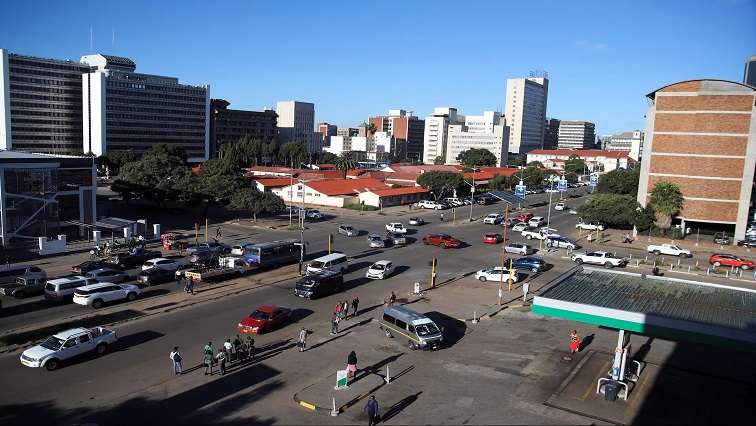
An IMF team led by Wojciech Maliszewski held discussions with Zimbabwean authorities in Harare from September 7 to September 17, 2026.
The agreement remains subject to IMF Management approval and does not involve financial assistance. “Completion of the review would mark a further step in consolidating macroeconomic stability and building a track record towards arrears clearance, debt restructuring and re-engagement with the international community,” Maliszewski said.
Programme implementation remained strong through June, with all quantitative and indicative targets met except protected social and priority spending.
Zimbabwe also met structural benchmarks covering publication of the Zimbabwe Social Registry user manual and development of a Treasury Single Account reform strategy.
Following economic growth of 8.3% in 2025, gross domestic product is projected to expand by 5% in 2026.
Annual inflation declined to 2.9% in August, supported by tight monetary conditions and relative exchange-rate stability. Strong exports and remittance inflows are expected to keep the current account in surplus.
Growth is forecast to slow to 3.5% in 2027 because of the anticipated effects of a powerful El Niño event. “The outlook remains subject to downside risks if the El Niño event is more severe than assumed or the mitigating measures are delayed or less effective than expected,” Maliszewski said.
The IMF said stronger-than-expected revenue collection provided an opportunity to rebuild fiscal buffers while keeping expenditure within the approved budget.
However, failure to meet the social and priority spending target remained a significant concern. “The missed target underscores the need to improve cash planning and budget execution so that approved resources reach priority programmes and vulnerable households in a timely manner,” Maliszewski said.
The Reserve Bank of Zimbabwe should maintain tight monetary policy until inflation expectations are firmly anchored and confidence in the ZiG strengthens.
Progress includes development of an electronic foreign-exchange trading platform and a strategy to liberalise the foreign-exchange market.
The IMF also welcomed work on a second national anti-corruption strategy and publication of the Mutapa Investment Fund’s financial statements. “Resolving Zimbabwe’s external arrears and restoring debt sustainability remain central to the authorities’ re-engagement agenda,” Maliszewski said.
–IMF/ChannelAfrica–


