


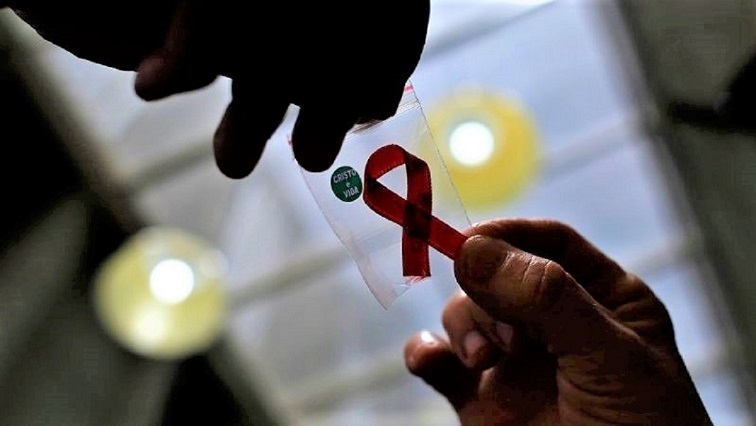
Reports have emerged that some Zimbabweans living with HIV are struggling to access treatment after returning home following deportations, repatriations and voluntary departures from SA.
Many had been receiving antiretroviral treatment at public clinics in SA, where access to healthcare services is constitutionally protected.
HIV/AIDS Activist and Lawyer Kensington Marufu said Zimbabwe’s health system is now facing additional pressure as returning citizens seek continuity of care. “The recent increase in migration from people coming from SA who were on treatment in SA is expanding the needs for the current health system here in Zimbabwe,” Marufu said.
Marufu said Zimbabwe has made progress in responding to HIV, but the sudden movement of people is placing strain on existing budgets and services. “Though we have made much progress as a nation on issues to do with HIV in our country, the increase in the sudden movement of people is placing a strain on the current number and budgets of people who are relying on ARVs,” Marufu said.
Access to treatment has also become more difficult after negotiations between the United States and Zimbabwe over future funding for HIV and other health services collapsed in February. “The government of Zimbabwe declined to have the assistance from the United States government on the issues to do with the funding on HIV/AIDS related issues due to the terms of reference that were involved in the deal,” Marufu said.
Marufu said continuity of care is critical for people living with HIV, especially those who left medication supplies or medical records in SA. “Some of those people may have left their medication outside Zimbabwe. So this is really affecting their well-being and their health due to lack of adherence to ARV treatment,” Marufu said.
Marufu said returning citizens also face challenges reconnecting with families and communities after years away from Zimbabwe. “Having lived and worked in SA for a long time and having been detached from the family setup is a challenge in itself,” Marufu said.
According to Marufu, stigma may stop some returnees from seeking treatment in communities where people know them. “Some of these people will be shy to access medical services amongst those people whom they know,” Marufu said.
Marufu said Zimbabwe has systems through the National AIDS Council and Ministry of Health, but returnees may not know where to find help. “The systems are in place, the National AIDS Council and the Ministry of Health in Zimbabwe, they are actually prepared for these kinds of issues,” Marufu said.
Marufu said better information, psychosocial support and reintegration assistance are needed to ensure returning Zimbabweans remain on treatment and avoid dangerous interruptions.
–ChannelAfrica–


